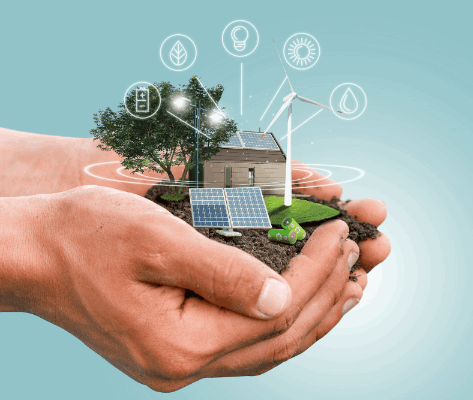
Solar panels, also known as photovoltaic (PV) panels, convert sunlight into electricity using the PV effect. They are a crucial component of solar power systems and are widely used to generate clean and renewable energy from sunlight.
Solar panels consist of multiple interconnected solar cells made typically from silicon. When sunlight (composed of photons) strikes the surface of a solar panel, the photons transfer their energy to the electrons within the solar cells. An electric current is generated by this process, which is then used to create electrical power.
Each solar cell comprises layers of semiconductor materials, usually silicon, with different electrical properties. The most common type of solar panel is the crystalline silicon panel, which can be further classified into two types:
Monocrystalline:
Monocrystalline solar panels are highly efficient because they are made from a single crystal structure. They have a uniform black appearance with rounded edges.
Polycrystalline:
Using multiple silicon crystals in polycrystalline solar panels makes them less expensive to manufacture. They have a speckled blue appearance.
A solar array or solar panel system usually comprises solar panels grouped. Depending on the system requirements, multiple panels are connected in a series or parallel to increase the overall voltage or current output. The electricity generated by solar panels can either be used directly to power electrical loads or stored in solar batteries for later use.
Smart Export Guarantee (SEG)
The Smart Export Guarantee (SEG) is a policy in the United Kingdom that requires energy suppliers to offer payments to small-scale renewable energy generators for any surplus electricity they export back to the grid.
Under the Smart Export Guarantee, homeowners, businesses, and other small-scale renewable energy generators, such as those with solar panels or wind turbines, can receive payments for the excess electricity they produce and export to the grid. The suppliers themselves determine the rate at which the energy suppliers purchase the electricity, as they are required to offer competitive tariffs to attract renewable energy producers.
The Smart Export Guarantee aims to incentivise the installation of renewable energy systems and promote the growth of small-scale renewable energy generation in the UK. It enables individuals and organisations to earn income from their renewable energy investments and encourages the transition to cleaner and more sustainable sources of electricity.
It's important to note that the specific details and requirements of the Smart Export Guarantee may vary among energy suppliers, as they have the flexibility to set their tariffs and terms. It is advisable to shop around and compare offers from different suppliers to ensure they are getting the best value for their exported electricity.
Solar Energy Future involves capturing radiant light and heat emitted by the Sun through various technologies, including solar power for electricity generation.
Solar panels, also known as photovoltaic (PV) panels, convert sunlight into electricity using the PV effect.
Solar batteries allow you to store excess electricity generated by your solar system, for use during times of low sunlight, such as evenings and during the night.
In solar systems, inverters convert solar panel-generated DC electricity to usable AC, powering devices in homes, businesses, and various settings.
In the United Kingdom, most residential solar panel installations do not require planning permission, as they fall under what's known as Permitted Development Rights.
At Solar Energy Future, we offer state-of-the-art solar carports that combine the benefits of vehicle shading and renewable energy generation.
At Solar Energy Future, we provide a range of commercial renewable energy solutions that deliver financial savings, carbon reductions, and energy independence for businesses in the UK.
Industrial-Scale Solar Power for UK businesses such as Manufacturing, Engineering, and Waste Management Sectors.